
Most people delay weeks over kitchen benchtops or bathroom tiles but think nothing of the interstitial choice when it comes to what’s placed on the outside of their home. They should be. What people choose to line external walls isn’t just aesthetic; it’s inherently going to impact value, purchaser willingness to pay for it, and whether problems along the way get costly to fix.
The Real Estate Factor No One Discusses
First and foremost, real estate agents see the cladding. Perhaps they won’t mention its value during appraisal, but mentally, they’re aware of whether they’ll have a saleable product or something to work around later. When agents take photos of houses they’re selling, those with high-quality cladding that stands the test of time are far more likely to be included and marketed than those with cheap, unmaintained exteriors.
The same goes for those properties who remain on the market for longer. Initially, when potential buyers tour a home, they notice the paint peeling, badly weathered gates and surrounds, or a time stamp on something originally great. Even if the interior is beautiful, that exterior first impression weighs more than most people think.
What’s Implied by Different Materials
Different materials wear down at different speeds, some need repainting every five to seven years; some need sealing and repeated attention to broken pieces or splintered boards; newer composites don’t need anything for a good fifteen years.
When buyers assess homes, they assess them with long-term reliability in mind; they’re mentally projecting themselves into the home and factoring in what’s going to need doing (or what’s deferred maintenance needs to be re-assessed internally) over the next decade. Those homes with materials that indicate excessive maintenance inevitably get mentally lowered in price by prospective buyers who weigh the time, effort, and costs of what they’re getting into; those homes where the owners put effort into low-maintenance options are highly respected.
Paying for Premium Options Gains Down The Line
Premium options come at a cost. They aren’t cheap. There’s no way around that, but after calculating resale potential and ongoing costs, those builders who buy from quality places like James Hardie Timber Supply WA know that their initial investment usually pays off in value increases downward.
Imagine you’re a buyer. Two houses on the same block are identical: one features weathered materials purchased from Bunnings over time and is falling apart; another features quality materials that have stands the test of time. One might be $20k more than the other as buyers grapple with properties they know will instantly require their immediate attention, and therefore financial investment, as well as personal investment.
The Elements Become Less Surprising
Australia is a harsh climate in which to live and work; sun, rain, coastal issues, humidity, appropriate materials make a difference in how well they stand the test of time. Cladding that won’t protect your home will age too soon as paint chips, materials cave in from frequent rains or blow around in the wind, etc.
Cladding that’s of lower quality starts with a disadvantage and inevitably gets worse down the line; water seeps in where it shouldn’t; sun consumes materials and causes shrinking; products not made for this country ultimately have to be replaced, and these replacement costs get passed on, creating deductions that didn’t exist before. Building inspectors can gauge moisture damage from outside which becomes dented valuation come sale time.
Quality Cladding Protects What’s Behind It
Quality assurance offers quality insurance; it keeps things dry; it prevents from sun expansion; it protects everything behind it; it’s not about problems not occurring, it’s about assuring every other component remains in top shape for the duration of time the structure is standing.
The Aesthetic Effect Is Immediate
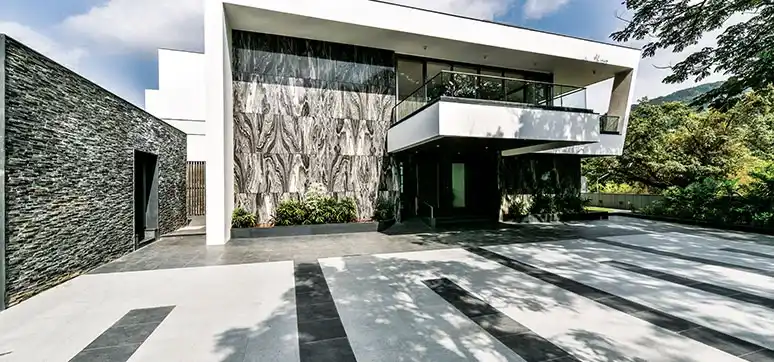
Aesthetics translate to value almost immediately; homes which have high-quality, low maintenance exteriors appeal more highly than homes which fall apart or look dated almost immediately. What you choose to put up front sets the tone for how your home presents itself from a design perspective and whether it looks modern, or average, compared to its peers down the street.
Certain aesthetics look good forever; others scream idealism for a certain decade and become outdated in time. Fairly neutral composite options seem to appeal to broad-based buyers with ease, and when people sell their homes, this is critical.
It’s Easier to Change Appearance with Some Materials Than Others
Few people realize how easy or difficult certain materials can be painted over or changed afterward, some can get painted over easily; some can’t ever transition without scrapping; some can remove single pieces while some require comprehensive removal. This makes big differences down the line when it comes to property appeal or renovation costs, because reconfiguring options later isn’t always there unless figured in from day one.
Insurance and Compliance Factors Come Into Play
Not all homes have easy qualifications with companies who insure properties against cladding issues, either; those resistant to flames get noted; those denied current building codes through meeting modernized standards do not receive as favorable rates as compliant structures. Homes that rely on requirements from areas known for bushfires or coastal activity carry cladding expectations that already exceed properties needing to upgrade once ownership occurs down the line; this makes a difference when buyers research what’s best whenever they’re looking to purchase.
Takeaway: Don’t Rush Your Decision
Realistically, when homes are completed, people realize that cladding is a factor, thus, using the cheapest option proves a poor choice when deciding on current cladding options and assessing whether costs inflate due to personal investment failing down the line (maintenance for poor quality options = get no one satisfied).
Instead, making decisions based on what’s right for your property protects your sense of self-investment, decreases any potential obligations within ownership challenges and requires proper assessment down the line without problem with resale. Whether building new or making renovations, when people realize how much value cladding contributes to property value, they’ll never think twice about it again, not while lining walls of one of their largest investments ever.