

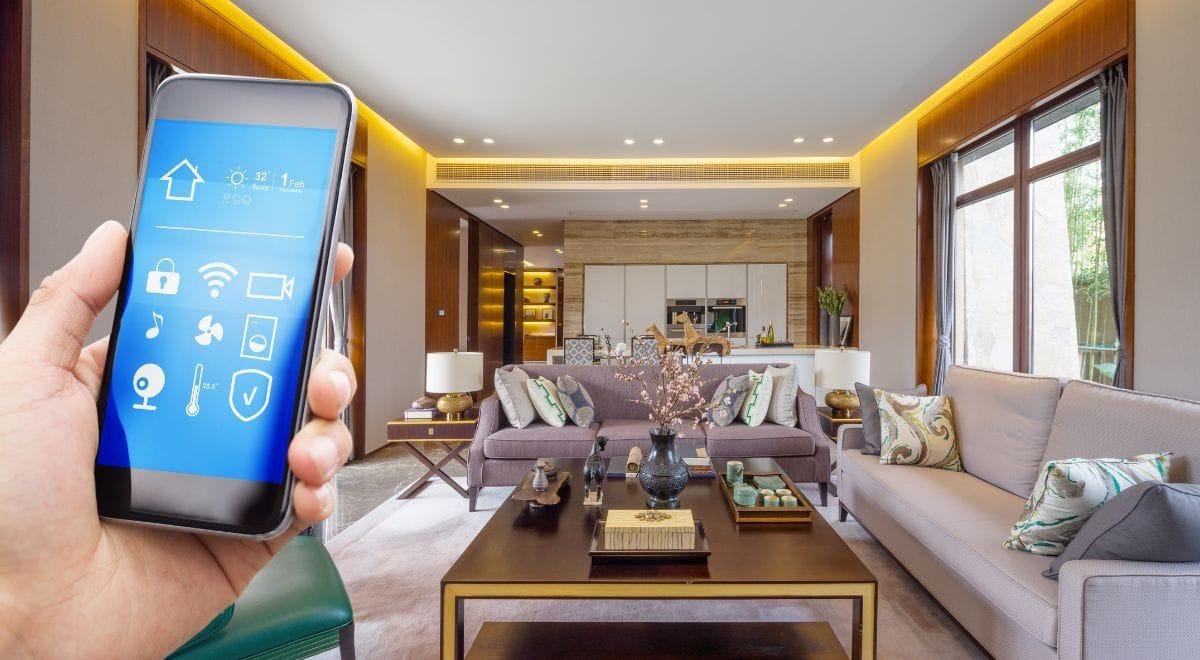
Smart homes are no longer futuristic concepts reserved for luxury properties. They have become a mainstream expectation in modern real estate, driven by advancements in technology, changing buyer preferences, and the growing demand for efficiency, security, and convenience. Today’s homes are increasingly designed to think, adapt, and respond to their occupants.
What Defines a Smart Home?
A smart home integrates connected devices that can be controlled remotely or automated through apps, voice commands, or preset routines.
Common smart home features include:
- Smart thermostats and climate control
- Automated lighting systems
- Smart locks and video doorbells
- Home security cameras and sensors
- Voice-controlled assistants and hubs
These systems work together to improve comfort while reducing manual effort.
Why Smart Homes Are Gaining Popularity
The rapid rise of smart homes is driven by practical benefits rather than novelty.
Key reasons include:
- Increased convenience and time savings
- Improved home security and monitoring
- Better energy efficiency and lower utility costs
- Remote control and automation capabilities
- Customizable living environments
Modern buyers value homes that simplify daily life.
Energy Efficiency and Cost Savings
Energy efficiency is one of the strongest selling points of smart homes.
Smart systems help homeowners:
- Optimize heating and cooling schedules
- Automatically turn off unused lights and appliances
- Monitor real-time energy consumption
- Reduce long-term utility expenses
These features appeal to cost-conscious and environmentally aware buyers.
Smart Homes and Property Value
Smart technology can enhance a property’s market appeal.
Benefits for sellers include:
- Faster sales due to higher buyer interest
- Differentiation in competitive markets
- Perception of a modern, well-maintained home
- Potentially higher resale value
While smart features don’t guarantee a higher price, they often improve desirability.
Security as a Major Driver
Home security has evolved significantly with smart technology.
Smart security advantages include:
- Real-time alerts and remote monitoring
- Video doorbells and motion detection
- Smart locks with access logs
- Integration with mobile devices
These features offer peace of mind, especially for families and frequent travelers.
The Role of Smart Homes in New Developments
Many new residential developments now include smart features as standard rather than optional upgrades.
Builders are integrating:
- Pre-installed smart wiring and hubs
- Energy-efficient automation systems
- App-controlled lighting and climate
- Smart-ready appliances
This shift reflects changing buyer expectations and long-term cost efficiency.
Challenges and Considerations
Despite the benefits, smart homes are not without challenges.
Common concerns include:
- Privacy and data security
- Compatibility between devices
- Dependence on internet connectivity
- Learning curves for non-tech users
Buyers should prioritize systems that are secure, user-friendly, and widely supported.
The Future of Smart Homes in Real Estate
Smart homes are expected to become even more intuitive and integrated.
Emerging trends include:
- AI-driven automation and predictive behavior
- Greater focus on sustainability
- Improved interoperability between devices
- Increased adoption across all property price ranges
Smart living is moving from a luxury to a standard expectation.
FAQs About Smart Homes in Real Estate
Do smart homes significantly increase property value?
They don’t always raise value directly, but they often improve marketability and buyer interest.
Are smart homes expensive to maintain?
Most systems have low maintenance costs, though upgrades and replacements may be needed over time.
Can older homes be converted into smart homes?
Yes. Many smart devices are designed for easy retrofitting without major renovations.
Are smart homes secure from hacking?
Security depends on strong passwords, regular updates, and reputable devices.
Do smart homes consume more electricity?
No. Most smart systems reduce overall energy use through automation and monitoring.
Are smart homes suitable for non-tech-savvy users?
Many modern systems are designed to be intuitive and easy to use.
Will smart homes become standard in the future?
Yes. Smart features are increasingly expected in both new builds and renovated properties.
The rise of smart homes reflects a broader shift in real estate toward efficiency, connectivity, and user-centric design. As technology continues to evolve, smart living is set to redefine what buyers expect from modern homes.