

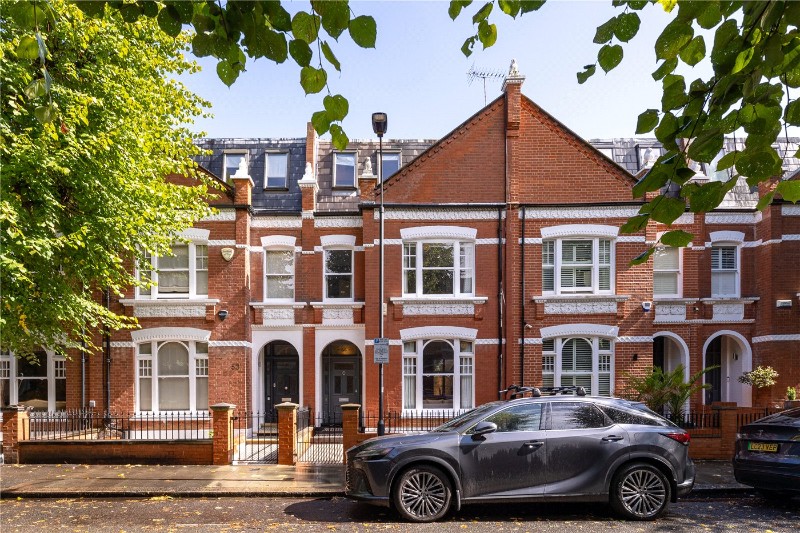
Understanding what your Hammersmith home is really worth is not always straightforward. Online valuation tools and headline price figures can offer a rough guide, but they rarely capture the finer details that shape true market value. Hammersmith is a varied area, with a mix of period homes, modern flats, riverside developments, and quieter residential streets, all performing differently.
For homeowners looking for clarity, local insight is essential. Price expectations are shaped by street-level demand, buyer behaviour, and recent comparable sales, not just broad averages. This is where estate agents in hammersmith with day-to-day experience of the area can help translate market data into realistic, achievable values.
The current Hammersmith property market
Hammersmith continues to hold a strong position within West London. Demand remains steady due to excellent transport connections, access to the Thames, and proximity to major employment hubs. Buyers are typically professionals, young families, and downsizers, each with different priorities.
As of the most recent market data, average property prices in Hammersmith typically sit between £850,000 and £900,000. Flats account for a large proportion of sales, with average values often ranging from £600,000 to £750,000 depending on size, condition, and location. Houses are significantly higher, frequently exceeding £1.2 million, particularly for family homes with gardens.
Why average prices rarely tell the full story
While average values provide useful context, they can be misleading when applied to individual homes. Hammersmith includes everything from studio flats near busy roads to large period houses on tree-lined streets. Combining these into one figure hides important differences.
For example, a two-bedroom flat near Ravenscourt Park may sell for £700,000, while a similar-sized flat closer to Hammersmith Broadway might achieve less due to noise and footfall. Averages smooth out these variations, but buyers do not. They assess each home on its own merits.
Location within Hammersmith matters more than you think
Micro-location plays a major role in pricing. Riverside properties, especially those near Furnivall Gardens or with Thames views, often command a premium. These homes can achieve prices well above the area average, particularly when outdoor space is included.
Quieter residential pockets closer to Ravenscourt Park and Brook Green also perform strongly. In contrast, homes near main roads such as the A4 may be priced more cautiously, even if they offer similar internal space. Buyers are increasingly sensitive to noise, outlook, and overall feel.
Property type and layout
Property type has a direct impact on value. Purpose-built flats from the late 20th century often provide good internal space, but values can vary depending on building condition and service charges. Period conversion flats remain popular, especially those with high ceilings and original features.
Houses are in shorter supply, which supports stronger pricing. A typical three-bedroom terraced house in Hammersmith may range from £1.1 million to £1.4 million, depending on condition and location. Layout also matters. Well-designed living space and flexibility for home working can add meaningful value.
The impact of condition and presentation
Condition is one of the most decisive pricing factors. Buyers are often willing to pay more for homes that require little immediate work. Modern kitchens, updated bathrooms, and neutral décor help properties attract stronger interest.
Homes needing refurbishment can still sell well, but pricing must reflect the cost and disruption of works. Even modest improvements, such as redecorating or repairing flooring, can improve buyer perception. Presentation influences not only value, but also how quickly offers are made.
Lease length, service charges, and tenure
For flats, lease length is critical. Properties with leases below 90 years can face reduced buyer demand and lower values. In some cases, short leases may reduce achievable prices by tens of thousands of pounds.
Service charges also matter. Well-managed buildings with reasonable costs are more attractive than those with high or unpredictable fees. Freehold houses avoid these issues entirely, which helps explain their stronger long-term price stability within the Hammersmith property market.
Transport links and connectivity
Transport is a major selling point. Hammersmith benefits from multiple Underground lines, providing direct routes across London. Homes within a short walk of stations such as Hammersmith or Ravenscourt Park often attract higher levels of interest.
That said, buyers increasingly balance convenience with comfort. Properties slightly further from stations but on quieter streets can achieve similar values if they offer better living conditions. Connectivity adds value, but it is not the only consideration.
Schools, amenities, and lifestyle appeal
Families often focus on school catchments when buying in Hammersmith. Access to well-regarded primary schools can influence demand for larger homes and family-friendly streets.
Lifestyle amenities also play a role. Cafés, independent shops, riverside walks, and green spaces all contribute to buyer appeal. Areas that feel established and community-focused often maintain stronger values, even during slower market periods.
Recent sales versus asking prices
Sold prices provide a clearer picture than asking prices alone. Asking figures can reflect optimism rather than market reality, particularly in changing conditions.
In recent months, many Hammersmith properties have achieved between 95 and 100 per cent of their asking price when correctly valued from the start. Overpriced homes often take longer to sell and may eventually require reductions, which can affect final value.
Online valuation tools and their limits
Online valuation tools are widely used, but they have limitations. They cannot assess condition, layout, or recent improvements. Nor can they fully account for micro-location differences within Hammersmith.
These tools are best used as a starting point. A realistic valuation combines data with local knowledge, recent sales evidence, and an understanding of current buyer demand. This approach provides a far more accurate estimate of achievable value.
Timing and market conditions
Timing can influence results. Spring and early autumn usually see higher buyer activity, which can support stronger prices. Winter tends to be quieter, though serious buyers are often more committed.
Wider economic factors also matter. Interest rates, mortgage availability, and buyer confidence all affect what people are willing to pay. Understanding the current climate helps sellers set realistic expectations.
How to estimate your home’s true value
Start by reviewing recent sales of similar properties nearby. Focus on homes sold within the last six to twelve months. Compare size, condition, and location honestly.
Next, consider buyer demand for your property type. Well-presented flats and family houses in popular pockets often outperform broader averages. Combining market data with local insight offers the clearest picture of value.
Preparing your home to maximise value
Preparation can make a meaningful difference. Decluttering, minor repairs, and improving lighting can all enhance appeal. Buyers often make decisions quickly, based on how a home feels during viewings.
Focus on improvements that highlight space and functionality. Over-investing is rarely worthwhile, but targeted upgrades can help justify a stronger asking price and attract more interest.
Final thoughts on valuing your Hammersmith home
Valuing a home in Hammersmith requires more than a quick online search. It involves understanding local trends, buyer expectations, and the subtle factors that influence perception and price.
By taking a realistic, informed approach, homeowners can gain a clearer view of what their property is truly worth. Whether you are planning to sell or simply want clarity, understanding the local pricing landscape puts you in a stronger position within the Hammersmith property market.
