

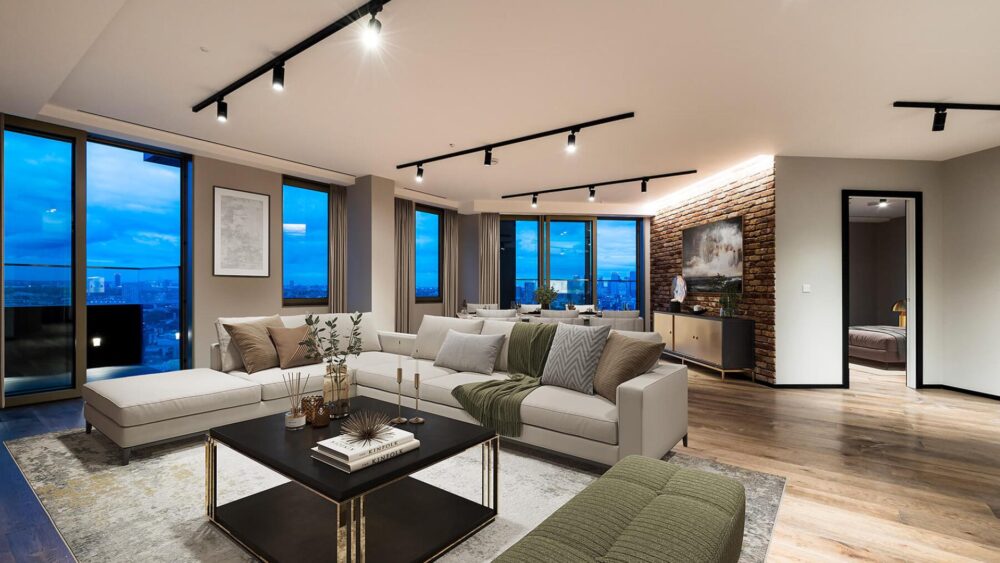
Living in an apartment has become an increasingly popular choice for individuals and families alike. With urbanization on the rise, apartments offer flexibility, convenience, and a lifestyle that suits a variety of needs. From luxury high-rises to cozy studio units, apartments provide diverse options to accommodate varying budgets and preferences. This article explores the multifaceted world of apartments, covering everything from types and amenities to investment potential and lifestyle considerations.
Understanding Apartments and Their Appeal
An apartment is a self-contained housing unit that occupies only part of a building. Unlike single-family homes, apartments share walls, floors, and ceilings with neighboring units. This style of living offers several advantages that appeal to urban dwellers:
- Affordability: Renting or buying an apartment is often less expensive than owning a house, especially in metropolitan areas where property costs are high.
- Accessibility: Apartments are usually located near key urban centers, providing residents easy access to work, schools, shopping, and entertainment.
- Maintenance: Most apartment complexes include maintenance services, meaning tenants don’t have to worry about landscaping, plumbing issues, or exterior repairs.
- Community Living: Apartments foster a sense of community through shared amenities and social spaces, making them ideal for individuals who enjoy interaction and networking.
The combination of affordability, convenience, and lifestyle flexibility makes apartments a practical choice for both young professionals and retirees.
Types of Apartments
Apartments come in various forms, each designed to cater to different lifestyles and requirements. Understanding the distinctions can help renters or buyers make informed decisions.
Studio Apartments
Studio apartments are compact units consisting of a single room that serves as the living, sleeping, and kitchen area, with a separate bathroom. They are ideal for:
- Single professionals or students
- Individuals seeking minimalistic living
- People looking for budget-friendly options
One-Bedroom Apartments
One-bedroom apartments provide a separate bedroom, living area, kitchen, and bathroom. These units are suitable for:
- Couples or small families
- Individuals who work from home and need a dedicated office space
- People who want more privacy and storage
Two-Bedroom and Larger Apartments
These apartments offer multiple bedrooms and sometimes additional bathrooms, accommodating:
- Families with children
- Roommates sharing living expenses
- Those requiring extra space for home offices or guest rooms
Luxury Apartments
Luxury apartments provide high-end finishes, state-of-the-art appliances, and exclusive amenities such as:
- Swimming pools and fitness centers
- Concierge services and secure parking
- Smart home technology
- High-quality interiors and scenic views
Loft Apartments
Lofts are typically open-concept units with high ceilings and large windows, often converted from industrial spaces. They appeal to creative professionals and those who enjoy expansive, flexible layouts.
Key Amenities in Modern Apartments
Modern apartment complexes focus heavily on amenities to attract tenants. These features often extend beyond basic necessities and significantly enhance the living experience.
Fitness and Wellness
- Fully equipped gyms
- Yoga and Pilates studios
- Outdoor walking trails
- Swimming pools and spa facilities
Security and Safety
- Gated entrances and 24/7 security personnel
- Surveillance cameras in common areas
- Controlled access to elevators and parking areas
Community and Social Spaces
- Shared lounges and coworking spaces
- Rooftop gardens and BBQ areas
- Community events to encourage social interaction
Convenience and Lifestyle
- On-site laundry facilities or in-unit washers
- Pet-friendly accommodations
- Nearby grocery stores, cafes, and public transit
- Smart home features such as keyless entry, automated lighting, and climate control
Financial Considerations When Choosing an Apartment
Selecting an apartment involves careful financial planning. Prospective renters and buyers must evaluate several key factors:
- Rent or Mortgage Costs: Assess your budget to ensure affordability without compromising on essential needs.
- Utilities: Some apartments include utilities in rent, while others require separate payments.
- Maintenance Fees: Condominium apartments may have monthly maintenance fees covering shared amenities.
- Deposit Requirements: Renters typically need a security deposit, which can vary depending on location and apartment type.
- Potential Appreciation: For buyers, investing in an apartment can offer long-term financial benefits, especially in areas with high demand and limited supply.
Apartment Living Tips for a Comfortable Lifestyle
Living in an apartment requires adjustments, especially for those accustomed to houses. Here are practical tips to enhance your experience:
- Maximize Space: Use multifunctional furniture, vertical storage, and creative layouts to make smaller apartments feel spacious.
- Noise Management: Soundproofing options, rugs, and curtains can help minimize noise from neighbors.
- Personalization: Decorate with artwork, plants, and furniture that reflect your style without violating building rules.
- Community Engagement: Participate in events and social spaces to build connections with neighbors.
- Safety Measures: Always use security features and be mindful of apartment regulations regarding guests and pets.
Investing in Apartments
Apartments are not only a housing solution but also a lucrative investment avenue. Here’s why:
- Steady Rental Income: Apartments in urban areas often enjoy consistent rental demand.
- Capital Appreciation: Over time, property values can increase, offering long-term gains.
- Diversification: Investing in apartments can diversify your financial portfolio, balancing stocks and other assets.
- Tax Benefits: Many jurisdictions provide tax incentives for property investments, including depreciation and mortgage interest deductions.
Environmental Considerations
Modern apartments increasingly focus on sustainability and energy efficiency. Key eco-friendly features include:
- Energy-efficient appliances and lighting
- Water-saving fixtures
- Recycling programs and composting
- Green building certifications such as LEED
Choosing environmentally conscious apartments reduces utility costs and contributes positively to the environment.
Frequently Asked Questions
Q1: What is the average size of an apartment?
Apartment sizes vary widely depending on location and type. Studios average 400–600 sq. ft., one-bedroom units typically range from 600–900 sq. ft., and larger apartments can exceed 1,200 sq. ft.
Q2: Are apartments suitable for families?
Yes, two-bedroom or larger apartments are ideal for families. Many complexes offer amenities such as playgrounds, community rooms, and family-friendly events.
Q3: How can I find pet-friendly apartments?
Check listings and property websites for pet policies. Many modern complexes welcome pets but may have restrictions on size or breed and charge additional deposits or monthly fees.
Q4: Is renting an apartment cheaper than buying a house?
Generally, renting is more affordable in the short term due to lower upfront costs. However, buying can be more cost-effective over time if property values increase and mortgage rates are favorable.
Q5: What should I look for when choosing an apartment?
Consider location, budget, amenities, security, maintenance, and the apartment’s proximity to work, school, and essential services. Personal lifestyle preferences are also crucial.
Q6: How do I make a small apartment feel larger?
Use light colors, mirrors, multifunctional furniture, vertical storage, and open layouts to create a sense of spaciousness.
Q7: Can apartments be a good investment?
Yes, apartments offer steady rental income, potential capital appreciation, and portfolio diversification, especially in high-demand urban markets.
Living in an apartment is more than just having a place to stay; it’s a lifestyle choice that blends convenience, affordability, and community. From cozy studios to luxury high-rises, apartments provide flexible solutions for a wide range of needs, making them a cornerstone of modern urban living.